Beekeeping Logbook KDP Interiors: Ready-to-Upload Guide
Creating a successful low-content book on Amazon requires more than just a compelling cover; the interior experience determines whether a customer becomes a repeat buyer or leaves a negative review. For publishers targeting the niche of apiarists and backyard beekeepers, precision is everything. This specific Beekeeping Logbook KDP Interior is designed to bridge the gap between creative publishing and practical utility. It eliminates the technical guesswork often associated with self-publishing functional books, providing a tested, professional foundation that allows creators to focus on marketing and audience building rather than formatting troubleshooting.
Technical Specifications and Print Quality
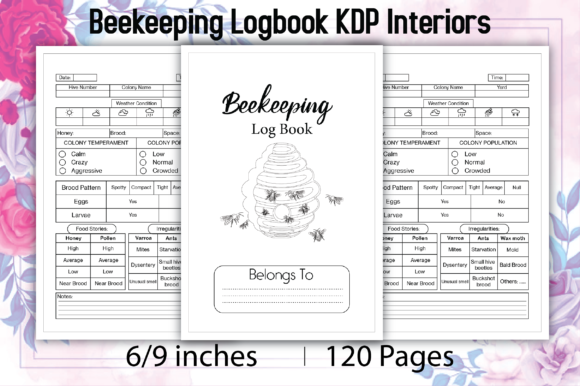
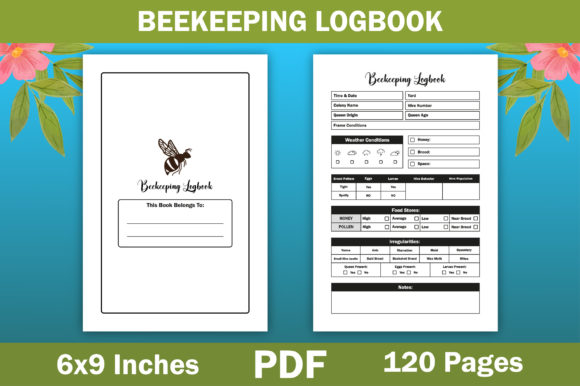
The most critical aspect of any logbook intended for field use is its physical usability. This interior is formatted specifically at 6 x 9 inches, which is widely considered the industry standard for portable journals. This trim size offers the perfect balance between writing space and portability, allowing beekeepers to carry the book in a cargo pocket or tool belt while inspecting hives. Unlike larger formats that require a flat surface, the 6x9 dimension supports one-handed note-taking during active hive management.
A major pain point for KDP publishers is managing margins and bleed settings. This file comes as a bleed-ready PDF, meaning the content extends to the edge of the page where necessary, and all safe zones have been calculated according to Amazon’s current printing specifications. With 120 total pages, the book provides substantial value without becoming unwieldy or too expensive to print. This page count allows for a full season of tracking or multiple years of seasonal notes, depending on how frequently the user conducts inspections. Crucially, these files have been KDP tested. This verification step ensures that no error messages will appear during upload, saving hours of potential reformatting and preventing the rejection of manuscripts due to margin violations or resolution issues.
Structural Elements for User Experience
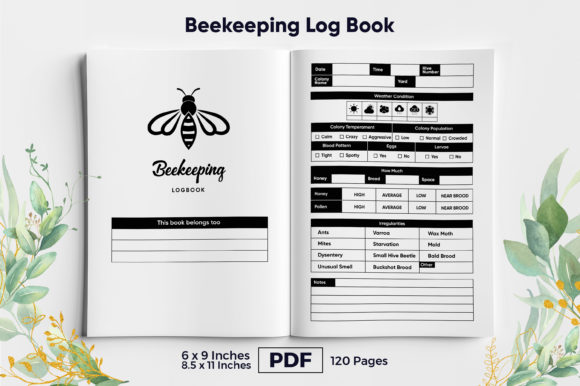
Functional books live or die by their organization. A blank notebook is rarely sufficient for serious record-keeping. This interior includes a dedicated intro page, which serves several strategic purposes beyond simple aesthetics. For the end-user, it establishes ownership and provides a space for contact information, which is vital if the logbook is lost in the field. For the publisher, it adds a layer of perceived professionalism that distinguishes the product from generic competitors.
The layout within these 120 pages is structured to capture data points that actually matter to apiarists. Rather than forcing users to draw tables or remember what to track, the pre-formatted fields guide the recording process. This structure typically accommodates essential metrics such as weather conditions, queen status, brood patterns, honey stores, pest observations, and treatment applications. By standardizing these inputs, the logbook transforms from a passive diary into an active management tool. Publishers should highlight this structured approach in their book descriptions, emphasizing that the interior was designed with the specific workflow of beekeeping in mind.
Creative Adaptation and Niche Targeting
While the interior is ready to upload, successful sellers often adapt their positioning to reach specific sub-segments of the beekeeping community. The versatility of this 6x9 logbook format allows for multiple marketing angles without altering the core file.
- For Urban Beekeepers: Position the logbook as a compact solution for rooftop or backyard hives where space is limited. Emphasize the portability and the discrete nature of the 6x9 size.
- For Commercial Apiarists: Market the book as a quick-reference field journal for staff. The standardized fields ensure consistency across different team members, making data aggregation easier at the end of the season.
- For Educational Programs: Extension services and 4-H clubs often require students to maintain records. This interior meets those educational requirements by providing a scaffolded learning tool for new beekeepers.
- As a Gift Item: Bundle the concept with beekeeping starter kits. The intro page makes it feel like a premium gift rather than a generic office supply.
When adapting your marketing strategy, consider the seasonality of the niche. Beekeeping is highly seasonal, with peak interest in early spring when hives are established and late summer during harvest. Aligning your promotional efforts with these biological cycles can significantly improve visibility. The ready-to-upload nature of this interior means you can prepare listings well in advance of these peak windows without getting bogged down in design iterations.
Maintaining Quality and Compliance
Even with a tested file, maintaining quality standards is an ongoing responsibility for the publisher. While the interior handles the structural heavy lifting, the cover design must match the technical specifications of the bleed-ready PDF. Ensure your cover file accounts for the exact spine width generated by the 120-page count. Mismatches between interior page counts and cover spine calculations are the most common cause of printing errors, even when the interior itself is flawless.
Furthermore, consider the paper type selected during the upload process. For logbooks intended for outdoor use, standard white paper is generally preferred over cream paper because it provides higher contrast for handwriting and sketches in variable lighting conditions. White paper also tends to handle ink better, reducing bleed-through if users prefer gel pens or markers for color-coding their entries. Making informed choices about these production variables complements the high-quality interior file and enhances the final product's durability.
Maximizing Value Through Description
Since customers cannot physically flip through a KDP book before purchasing, your product description must accurately represent the interior's utility. Avoid vague terms like "great for bees." Instead, be explicit about what is included. State clearly that the book contains 120 pages of structured logging templates, measures 6x9 inches for field portability, and includes an introductory ownership page. Transparency builds trust. When buyers know exactly what they are receiving, return rates decrease and positive reviews increase.
It is also beneficial to explain why the specific layout was chosen. If the logbook tracks mite counts or feeding schedules, mention this specifically. Serious hobbyists search for these exact features. By aligning your metadata and description with the actual functional elements of the ready-to-upload interior, you attract an audience that values utility over novelty. This alignment is the cornerstone of sustainable sales in the low-content category.
Expanding Beyond the Single Title
This Beekeeping Logbook KDP Interior can serve as a foundational asset for a broader brand portfolio. Once you have established credibility with this core title, consider how the same technical specifications (6x9, 120 pages, bleed-ready) could apply to adjacent niches. Garden journals, composting logs, or small livestock record books often share similar user needs regarding portability and structured data entry. Mastering the upload and testing process with this beekeeping template streamlines future expansions.
Additionally, listen to customer feedback regarding the interior layout. While this file is fixed and ready to use, reviews often reveal desired features for future versions. Perhaps users want a section for equipment inventory or a yearly calendar spread. Documenting these insights allows you to commission custom interiors or modify future projects based on real market demand. The ready-to-upload file solves the immediate problem of getting to market quickly, but long-term success comes from treating the product as part of an evolving ecosystem tailored to the beekeeping community's changing needs.
Ultimately, the value of this resource lies in its reliability. In a marketplace saturated with poorly formatted generics, offering a KDP-tested, professionally sized, and thoughtfully structured logbook demonstrates respect for the end-user’s craft. It allows the publisher to bypass technical hurdles and deliver a tool that genuinely assists beekeepers in managing their colonies more effectively. Whether you are a seasoned KDP veteran or a new entrant to the publishing space, starting with a verified, high-quality interior sets a professional tone that resonates with discerning customers.