Gratitude Journal for KDP Interiors: A Practical Asset for Publishers and Personal Use
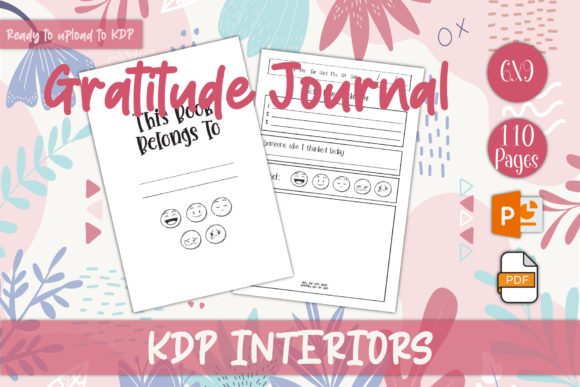
Creating a successful low-content book on Amazon KDP often comes down to the quality and usability of the interior. A Gratitude Journal for KDP Interiors is more than just lined paper; it is a structured template designed to facilitate mindfulness and reflection. For publishers, this specific 6x9 inch, 110-page resource serves as a foundational asset that eliminates the design bottleneck. For end-users, whether they are buying the physical book or using a printable version, it provides a consistent framework for mental wellness without the distraction of overly complex layouts.
This particular interior file is optimized for black and white printing with bleed, ensuring that prompts and writing spaces extend properly to the edge of the page for a professional finish. Because it includes both PowerPoint and PDF files, it offers flexibility for creators who want to customize the experience and for individuals who prefer immediate digital access. Understanding how to leverage this tool requires looking beyond the technical specs and focusing on the real-world scenarios where gratitude journaling intersects with productivity, education, and business.
Streamlining the Publishing Workflow for Creators
For entrepreneurs and self-publishers, time is the most scarce resource. Designing a 110-page interior from scratch involves formatting margins, setting up bleed areas, and creating cohesive title pages. This Gratitude Journal for KDP Interiors solves that problem by providing a tested, ready-to-use layout. The inclusion of a coordinating inside cover title page is a subtle but critical detail. Many amateur KDP books fail because the first page looks disconnected from the rest of the content. Having a pre-designed title page ensures the book feels like a complete product rather than a collection of loose worksheets.
The availability of an editable PowerPoint file changes the utility of this asset significantly. Instead of being locked into a static PDF, marketers and niche publishers can adjust fonts, modify prompts, or add branding elements to target specific audiences. A publisher focusing on "gratitude for nurses" can tweak the language in minutes, while someone targeting "mindfulness for students" can adjust the complexity of the prompts. This adaptability allows for the creation of multiple distinct products from a single master file, maximizing return on investment while maintaining high production standards.
Commercial Applications Beyond Amazon KDP
While KDP is the primary association, this interior has practical applications for service providers and small business owners. Life coaches, therapists, and corporate wellness facilitators often need tangible tools for their clients. Using this interior as a printable resource allows professionals to offer branded journals as part of a coaching package or workshop kit. Because the file supports bleed and standard trim sizes, these printables can be produced locally at professional print shops with the same quality as traditional publishing.
- Corporate Wellness Programs: HR departments can distribute printed versions during mental health awareness months to encourage daily reflection among employees.
- Therapy Homework: Counselors can provide specific sections of the journal as between-session assignments to help clients track emotional progress.
- Workshop Handouts: Event organizers can bind selected pages into smaller booklets for retreat participants, offering a takeaway that reinforces the event's teachings.
- Lead Magnets: Bloggers and influencers can offer a condensed printable version as a free download to build email lists before directing users to the full KDP edition.
Real-World Usage Scenarios for End Users
Understanding where and when people actually use these journals helps publishers market them effectively and helps users integrate them into busy lives. The 6x9 size is deliberate; it is portable enough to fit in a commuter bag or sit unobtrusively on a crowded desk. This portability is essential for adults aged 20–50 who are balancing careers, families, and personal growth. They rarely have dedicated "journaling time" in a quiet study; they journal in coffee shops, during lunch breaks, or in the few minutes before sleep.
For freelancers and gig workers, the structure of this Gratitude Journal for KDP Interiors combats the isolation and income volatility inherent in their work. Unlike a blank notebook which can feel daunting after a difficult day, the guided prompts lower the barrier to entry. A freelancer facing rejection can use the structured space to reframe setbacks without needing to summon creative energy for the format itself. Similarly, educators facing burnout can use the brief daily entries to separate their professional identity from their personal worth, using the journal as a transition ritual between school and home.
Educational and Student Applications
In academic settings, gratitude journaling serves as an emotional regulation tool. College students and adult learners often struggle with imposter syndrome and performance anxiety. This interior provides a non-academic space within their study routine. Because the design is clean and black and white, it avoids the sensory overload that colorful, decorative journals sometimes cause. It functions as a utilitarian tool for mental hygiene rather than an aesthetic project. Students can use the printable PDF version on tablets with styluses, integrating mindfulness directly into their existing digital note-taking ecosystems.
Critical Considerations Before Implementation
Before downloading or purchasing this Gratitude Journal for KDP Interior, users must evaluate their specific needs against the product’s capabilities. While the interior is comprehensive, it is explicitly an interior-only asset. Publishers must create their own covers. This separation is beneficial for avoiding duplicate content penalties on Amazon, but it means you cannot simply upload and publish immediately. You need a cover strategy that matches the tone of the interior. If the interior uses minimalist prompts, a chaotic or overly ornate cover will create cognitive dissonance for the buyer.
Technical compatibility is another factor. While PowerPoint is widely accessible, users should verify their software version supports the slide dimensions and font embedding used in the file. For those intending to use the printable PDF digitally, ensure your annotation app handles 6x9 aspect ratios comfortably. Some tablet apps crop PDFs aggressively, which can cut off bleed areas or margin notes. Testing the file on your intended device before committing to a bulk print run or marketing campaign prevents frustration later.
Evaluating Content Fit and Customization Needs
Not every gratitude journal suits every audience. Review the sample pages to ensure the prompt style aligns with your target demographic. Some interiors use deep, philosophical questions suitable for experienced practitioners, while others use simple, repetitive checklists better suited for beginners or those with ADHD. If you are a publisher, ask yourself if the current prompts serve your niche. If you are an end-user, consider whether the structure supports your current mental state. A rigid structure might feel restrictive during periods of high creativity, while a loose structure might feel insufficient during periods of high stress.
- Verify Bleed Settings: Ensure your printer or KDP account settings match the bleed specifications in the file to avoid white borders or cropped text.
- Check Font Licensing: If modifying the PowerPoint file for commercial sale, confirm that any new fonts you introduce are licensed for commercial use.
- Assess Paper Quality: For printable users planning to use markers or gel pens, test the PDF on your chosen paper stock. Standard home printer paper may bleed through with heavy ink, even if the digital file is perfect.
- Review Title Page Coordination: Ensure the included title page leaves adequate space for your specific book title length and subtitle formatting.
Connecting Features to Tangible Outcomes
The value of this Gratitude Journal for KDP Interiors lies in its ability to bridge the gap between intention and action. For the publisher, the 110-page count is strategically chosen to meet KDP’s spine text requirements while keeping printing costs low enough to allow for competitive pricing. This directly impacts profitability and perceived value. A book that is too thin feels insubstantial; one that is too thick becomes prohibitively expensive for a daily use item. This balance ensures the final product sits in the sweet spot of consumer expectation.
For the user, the black and white aesthetic reduces visual noise, allowing the practice of gratitude to remain the focal point. In a digital age saturated with color and movement, a monochrome interface signals a break from stimulation. This design choice supports the neurological goal of the journal: to activate the parasympathetic nervous system through focused, calm attention. Whether used as a physical anchor in a chaotic office or a digital sanctuary on a tablet screen, the interior facilitates a momentary pause that yields long-term resilience. By understanding these connections, both creators and consumers can utilize this resource not just as a product, but as a functional tool for sustainable living and business.