Kids Tracing Practice Worksheets-I Sound: A Strategic Resource for Educators and KDP Creators
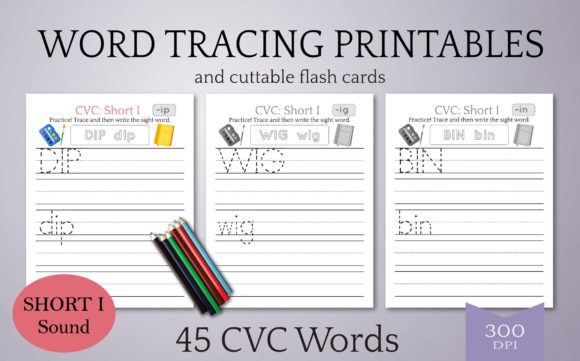
Early literacy development hinges on the mastery of foundational phonics, specifically the ability to decode Consonant-Vowel-Consonant (CVC) words. For parents, educators, and content creators, finding high-quality, structured materials that bridge the gap between letter recognition and fluent reading is a constant priority. Kids Tracing Practice Worksheets-I Sound addresses this specific need by providing a focused, comprehensive set of resources designed for the short "i" vowel sound. This collection goes beyond simple handwriting practice; it serves as a multifunctional tool for early childhood education and a versatile digital asset for the growing Print on Demand (POD) and Amazon Kindle Direct Publishing (KDP) markets.
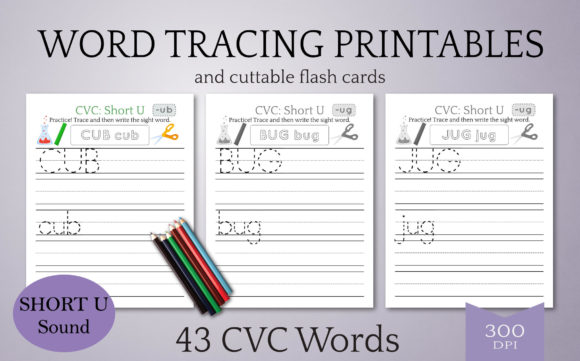
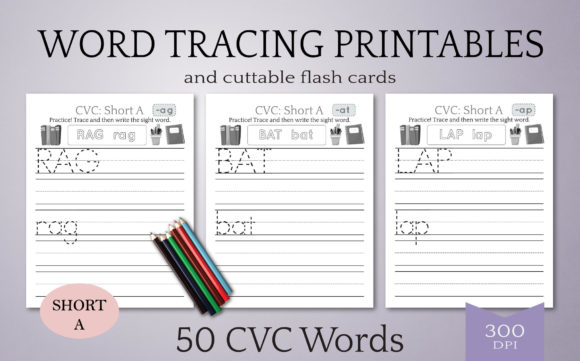
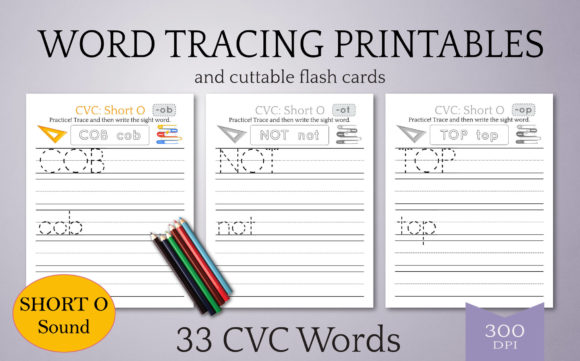
The relevance of this specific resource lies in its dual utility. On one hand, it offers forty-five common three-letter CVC words that are essential for beginning readers. On the other, it provides a professional-grade digital PDF interior page template optimized for commercial publishing or personal educational use. In an era where digital products and self-publishing have democratized educational content creation, having access to high-resolution, pre-formatted assets allows entrepreneurs and teachers to produce polished activity books without starting from scratch. Whether used to supplement a homeschool curriculum or to build a profitable low-content book portfolio, these worksheets represent the intersection of pedagogical necessity and modern digital workflow efficiency.
The Pedagogical Value of Short Vowel Mastery
Understanding why specific phonics resources matter requires looking at how children actually learn to read. The short "i" sound is often one of the most challenging vowel distinctions for early learners due to its similarity to short "e" in various accents and dialects. Repetition through multi-sensory engagement is the proven remedy. This pack facilitates that engagement through a "color, trace, and write" methodology. By combining visual recognition with fine motor skill development, the worksheets reinforce neural pathways associated with word formation.
The inclusion of forty-five distinct CVC words ensures that practice remains varied enough to prevent boredom while maintaining the consistency required for mastery. Unlike generic alphabet tracing, CVC-specific practice helps children understand the relationship between individual sounds and complete words. This is a critical step toward reading fluency. Furthermore, the addition of cuttable flash card sheets transforms passive worksheet completion into active recall practice. Flash cards remain a gold standard in early education because they allow for spaced repetition and gamification, two strategies that significantly improve retention rates in young learners.
Evolving Trends in Educational Printables and POD
The landscape of educational publishing has shifted dramatically over the last decade. We have moved away from mass-market, one-size-fits-all workbooks toward niche, targeted resources created by independent publishers and educators. Platforms like Amazon KDP have enabled this shift, but they have also raised the bar for quality. Users now expect professional formatting, clear typography, and age-appropriate content even from indie authors. Kids Tracing Practice Worksheets-I Sound fits directly into this evolution by offering a 300 DPI high-resolution PDF template. This technical specification is not merely a detail; it is a requirement for print clarity. Blurry or pixelated text can frustrate young learners and lead to negative reviews for published books.
For creators, the trend is moving toward modularity. Rather than designing every page of an activity book manually, successful publishers utilize high-quality base assets that can be mixed, matched, and customized. This digital file is designed to be uploaded and edited in software like Affinity Publisher, allowing creators to add unique covers, combine the short "i" section with other vowel packs, or integrate additional activities. This modular approach reduces production time and allows for rapid iteration based on market feedback. It reflects a broader shift in the creator economy where efficiency and scalability are achieved through smart asset management rather than brute-force design work.
Practical Applications for Diverse User Groups
The versatility of this digital download makes it applicable across several distinct user segments, each with different goals and workflows. Understanding these applications helps maximize the return on investment, whether that investment is measured in student progress or business revenue.
For KDP Publishers and POD Entrepreneurs
If you are building a catalog of educational activity books, this PDF serves as a ready-made interior. The 8.5″x11″ format is the industry standard for kids' activity books, ensuring compatibility with major printing services. Because the file includes both tracing pages and flash cards, you can create a higher-value product that offers more utility than a standard workbook. The ability to edit the file means you can brand the content, adjust margins for binding, or create series variations. For example, you might bundle this short "i" pack with similar resources for other vowels to create a comprehensive "Complete Phonics Mastery" series. This strategy increases average order value and establishes authority in the niche.
For Educators and Homeschoolers
Teachers and homeschooling parents often face budget constraints and the need for differentiated instruction. A digital download eliminates recurring costs; once purchased, the file can be printed as many times as needed for multiple students or siblings. The suggestion to laminate the worksheets for repeated use is particularly valuable in classroom settings or for sustainable home learning. Dry-erase markers turn a single printout into a reusable learning station. Additionally, the flash card component supports small group instruction or individual intervention for students struggling specifically with the short "i" sound. The digital nature of the file also means it can be loaded onto tablets for paperless practice, accommodating different learning preferences and reducing physical clutter.
For Digital Planners and Tablet Users
As screen time becomes increasingly integrated into education, the demand for tablet-compatible learning materials has surged. While originally designed for print, high-resolution PDFs can be imported into annotation apps like GoodNotes or Notability. This allows children to practice tracing using a stylus, providing immediate feedback and undo functionality that paper cannot offer. For creators targeting the digital planner market, these pages can serve as hyperlinked inserts or standalone practice modules. Adapting print-focused assets for digital use expands the potential audience to include tech-forward families and digital-first educators.
Technical Considerations and Quality Standards
When selecting or utilizing digital assets for education or publishing, technical quality dictates usability. The 300 DPI resolution mentioned in the product specifications is the baseline for professional printing. Anything lower risks appearing unprofessional when bound into a book. For those editing in Affinity Publisher or similar layout software, vector-based elements or high-res raster images ensure that scaling does not degrade quality.
Furthermore, the structure of the content matters. The separation of tracing pages from flash cards within the same file allows for flexible layout decisions. A publisher might choose to place all flash cards at the back of the book as a bonus appendix, or intersperse them throughout the chapters. An educator might print only the flash cards for a literacy center while sending the tracing worksheets home as homework. This organizational flexibility is a hallmark of well-designed digital educational resources. It respects the user's autonomy and acknowledges that no two classrooms or publishing strategies are identical.
Strategic Integration into Broader Workflows
Maximizing the value of Kids Tracing Practice Worksheets-I Sound involves thinking strategically about integration. For business owners, this means considering SEO and keyword relevance when listing products derived from this asset. Terms like "CVC words," "short i sound," "sight word practice," and "preschool writing activities" should naturally appear in product descriptions and metadata. The content itself supports these keywords organically, which aligns with search engine preferences for helpful, relevant content.
For educators, integration means aligning these worksheets with existing scope and sequence documents. Because CVC words are typically introduced in kindergarten or first grade, these materials should be deployed as part of a systematic phonics program rather than in isolation. Pairing the tracing practice with oral reading exercises, decodable texts, and sensory play creates a robust learning ecosystem. The flash cards can be used for quick warm-ups or exit tickets, embedding practice into daily routines without requiring extensive prep time.
Ultimately, this resource exemplifies the modern approach to educational content: accessible, adaptable, and technically sound. It empowers creators to build businesses around genuine educational value and enables teachers to provide targeted support without exhausting their resources. By focusing on the specific needs of early readers and the practical realities of digital publishing, these worksheets serve as a foundational element for both literacy development and creative entrepreneurship. Whether you are launching a new KDP title or seeking effective tools for a struggling reader, the combination of pedagogical focus and production-ready formatting makes this an essential asset in the contemporary educational toolkit.