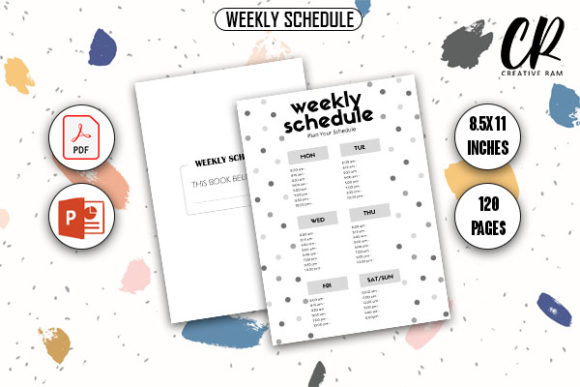
Weekly Schedule - KDP Interiors: Smart Selection and Customization for Low-Content Books
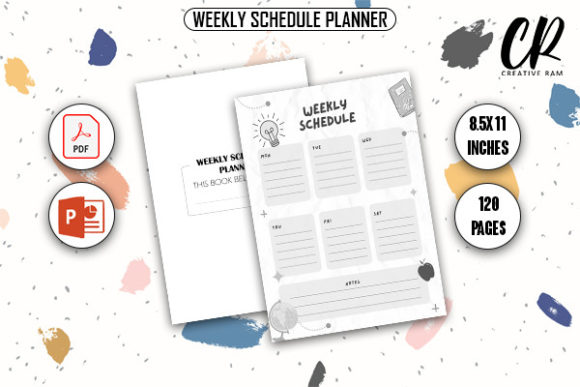
Creating a profitable low-content book on Amazon requires more than just uploading a generic template; it demands a strategic approach to interior design that balances functionality with technical precision. When evaluating Weekly Schedule - KDP Interiors, creators often focus solely on the aesthetic appeal of the layout while overlooking critical production specifications. This resource provides a structured 120-page planner designed specifically for the self-publishing market, but its value depends entirely on how well you understand the file formats, bleed settings, and customization potential before listing your product. For entrepreneurs, educators, and freelancers looking to expand their digital product portfolio, this interior serves as a foundational asset, provided it is implemented with an eye toward quality control and user experience.
Understanding Technical Specifications Beyond the Cover
The most frequent error new KDP publishers make is assuming that any PDF labeled "planner" is automatically print-ready. This assumption leads to rejected manuscripts, blurry text, or margins that get trimmed during binding. The Weekly Schedule - KDP Interiors package addresses this by adhering to strict industry standards, specifically the 8.5″ x 11″ dimension with proper bleed configuration. Bleed is not merely a suggestion; it is a mechanical necessity for any design where lines, colors, or graphics extend to the edge of the page. Without a correctly formatted bleed area—typically extending 0.125 inches beyond the trim line on all sides—your weekly schedule will have unintended white borders after cutting, signaling to customers that the book was produced without professional oversight.
Furthermore, the 120-page count is significant for spine width calculations. Many beginners create covers based on estimated page counts rather than exact specifications. Since this interior is fixed at 120 pages, your cover design must match this thickness precisely. Using a calculator tool with the wrong paper type (e.g., selecting glossy instead of white matte) combined with this specific interior will result in a misaligned spine. Always verify that your source files align with the current KDP printing specifications for uncoated paper stock, which is the standard for writable planners.
Evaluating File Formats for Long-Term Utility
A common misunderstanding involves the difference between a static PDF and an editable source file. While the high-quality print-ready PDF included in this package allows for immediate upload, relying exclusively on it limits your business scalability. The inclusion of PPTX (PowerPoint) source files is what separates a one-off purchase from a sustainable product line. Beginners often ignore the PPTX file because they are intimidated by editing master slides, but this hesitation prevents them from creating unique variations.
- Print-Ready PDF: Use this for quick launches and verifying final output quality. Ensure you check the file properties to confirm the dimensions include the bleed area before uploading.
- PPTX Source Files: Essential for rebranding. You can modify fonts, adjust header colors, add your logo, or change the language of the prompts without rebuilding the grid structure from scratch.
- Layer Management: In the PowerPoint file, ensure background elements are locked or placed on master slides to prevent accidental shifting during text edits.
Neglecting the editable format means you cannot differentiate your product in a saturated niche. If ten other sellers use the same unmodified PDF, Amazon’s algorithm may struggle to distinguish your listing, and customers may perceive the books as identical commodities. Customization is not just about aesthetics; it is a defensive strategy against market saturation.
Avoiding Usability Pitfalls in Weekly Planners
Technical compliance ensures the book prints correctly, but usability ensures the customer leaves a positive review. A visually stunning weekly schedule that fails functionally will generate returns and negative feedback. When reviewing the Weekly Schedule - KDP Interiors, test the writing space critically. Are the lines too faint to write on? Is there adequate gutter margin so the user doesn't have to break the spine to write near the center? These are practical details that separate professional interiors from amateur ones.
Another overlooked detail is the logical flow of the schedule itself. Some templates prioritize graphic design over planning utility, placing decorative elements where functional notes should go. Before finalizing your version, print a single test page at actual size. Digital screens are deceptive; a spacing that looks generous on a 27-inch monitor may feel cramped on physical paper. Verify that the hourly slots or task boxes accommodate average handwriting sizes. If you are targeting a specific demographic, such as teachers or nurses, ensure the terminology and layout reflect their actual workflow rather than generic productivity advice.
Strategic Customization for Niche Relevance
To maximize the return on investment for these interiors, move beyond simple color swaps. Effective customization involves adapting the content structure to solve specific problems. For example, if you are marketing to fitness enthusiasts, rename "Tasks" to "Workouts" and "Notes" to "Macro Tracking" using the PPTX file. If targeting students, add sections for assignment deadlines or exam prep. This level of adaptation transforms a generic commodity into a specialized tool.
- Analyze Competitor Reviews: Look at top-selling weekly planners in your target niche. Note complaints about missing features (e.g., "no space for weekend planning" or "lacks goal setting section").
- Modify the Master Slide: Use the PPTX file to insert these missing elements globally across all 120 pages instantly, rather than formatting pages individually.
- Test Print Again: After adding new elements, verify that the gutter safety zone has not been compromised by additional text or graphics.
This iterative process prevents the mistake of launching a product that technically works but practically fails. It also builds authority; when a customer sees a planner that anticipates their specific needs, they recognize the creator understands their niche.
Quality Assurance Checklist Before Publishing
Before you click publish, conduct a systematic review of both the visual and technical aspects of your project. Rushing this phase is the primary cause of post-launch regret. Downloading the Weekly Schedule - KDP Interiors is only the first step; validation is what protects your brand reputation.
Check the resolution of all embedded graphics. Even if the PDF claims to be high-quality, zoom in to 400% to inspect line crispness. Vector-based lines from the PPTX export should remain sharp indefinitely, whereas rasterized images may pixelate. Ensure that no text falls within the safe zone margin (usually 0.375 inches from the trim edge for non-bleed elements). Confirm that the file size is optimized; excessively large PDFs can sometimes cause processing errors on KDP, though this is rare with properly exported vectors. Finally, order a physical proof copy. No amount of digital inspection replaces holding the book in your hands. Feel the paper weight, check the binding alignment, and write in the planner with different pen types to ensure ink doesn't bleed through or smudge. This tactile verification is the ultimate safeguard against poor customer experiences and establishes your commitment to quality in the low-content publishing space.