Geometry KDP Interiors: Structured Planner Design
Creating a successful low-content book on Amazon KDP often comes down to the quality and usability of the interior. While many publishers rely on generic lined paper or basic dot grids, there is a growing demand for specialized interiors that serve specific niches. Geometry KDP Interiors offers a distinct alternative for creators targeting students, professionals, and hobbyists who appreciate structure, precision, and visual order. This design theme moves beyond simple aesthetics to provide a functional framework that enhances the user experience of planners, journals, and logbooks.
The visual personality of geometry-themed interiors is defined by clean lines, balanced proportions, and mathematical harmony. Unlike organic or handwritten styles that evoke emotion and fluidity, geometric designs communicate reliability, logic, and clarity. For an entrepreneur or content creator designing a productivity planner, this style suggests efficiency. For a teacher creating math worksheets or graphing journals, it provides necessary utility. The appeal lies in its versatility; it is structured enough for technical work yet stylish enough for personal organization. When you integrate these patterns into your KDP projects, you are signaling to the buyer that the content inside is organized and purposeful.
Functional Applications Across Creative Niches
Understanding where to apply geometric interiors is just as important as the design itself. While often associated with mathematics, the utility of these templates extends far beyond the classroom. In the realm of editorial design and publishing, geometric layouts serve as excellent foundations for bullet journals, habit trackers, and project management logs. The inherent grid systems found in these interiors help users align their handwriting, draw diagrams, or create custom charts without needing additional tools.
For marketers and brand strategists producing branded merchandise or corporate planners, geometry offers a professional aesthetic that aligns with modern brand identity. A minimalist geometric pattern can act as a subtle backdrop that doesn't compete with logos or instructional text. It supports readability rather than distracting from it. Similarly, crafters and hobbyists who enjoy quilting, knitting, or architectural sketching find immense value in these interiors. The precise spacing allows for accurate scaling and pattern drafting, making the book a practical tool rather than just a notebook.
Digital creators and web designers can also leverage these assets. While primarily intended for print, the vector nature of formats like EPS and AFDesign means these geometric elements can be adapted for social media graphics, digital planner stickers, or website backgrounds. This cross-platform potential maximizes the return on investment for your design assets. Whether you are creating a physical product for Amazon or a digital download for Etsy, the structured appeal of geometry resonates with audiences seeking order in both analog and digital spaces.
Enhancing Readability and Visual Hierarchy
Typography and layout are inseparable when discussing KDP interiors. The choice of a geometric background directly influences how text is perceived. In modern typography, the relationship between the typeface and the negative space is critical. Geometric interiors provide a consistent rhythm that guides the eye across the page. This is particularly beneficial when pairing with sans serif fonts or clean serif fonts commonly used in instructional content or headers.
When evaluating font pairings for a geometry-themed planner, consider contrast and weight. A bold display font works exceptionally well against a light, thin-line geometric grid because the structural background anchors the heavy letterforms. Conversely, using a delicate script font or handwritten font over a dense geometric pattern can reduce legibility. The key is to ensure the interior serves as a supportive canvas. If the geometry is too dark or complex, it becomes noise. Successful KDP interiors use opacity and line weight to maintain a clear visual hierarchy, ensuring that the user’s writing always takes precedence over the decorative elements.
This attention to detail impacts brand perception and professionalism. A planner with well-balanced geometry feels premium and thoughtfully designed. It suggests that the publisher understands the end-user's needs. Consistency in line weight and spacing throughout the book builds trust and recognition. Readers begin to associate that level of polish with your specific brand or series, encouraging repeat purchases and positive reviews based on usability rather than just cover art.
Evaluating File Formats and Technical Specifications
Selecting the right file format is a practical necessity for KDP publishers. This specific geometry collection addresses common production hurdles by offering multiple editable and static options. Understanding the strengths of each included format ensures you choose the right asset for your workflow.
- AFDesign Files: These are native Affinity Designer files. They are invaluable for creators who want full editability. You can adjust line colors, modify grid density, resize elements, or combine different geometric patterns to create a unique interior. This flexibility is crucial for avoiding duplicate content issues on KDP.
- EPS Files: Encapsulated PostScript is the industry standard for vector graphics. If you use Adobe Illustrator or other vector software, EPS files allow for infinite scaling without quality loss. This format is ideal for packaging design or creating high-resolution covers that match the interior theme.
- JPG Files: For publishers who prefer a drag-and-drop workflow or use tools like Canva, high-resolution JPGs offer immediate utility. These are pre-rendered images perfect for quick assembly, though they lack the editability of vector formats.
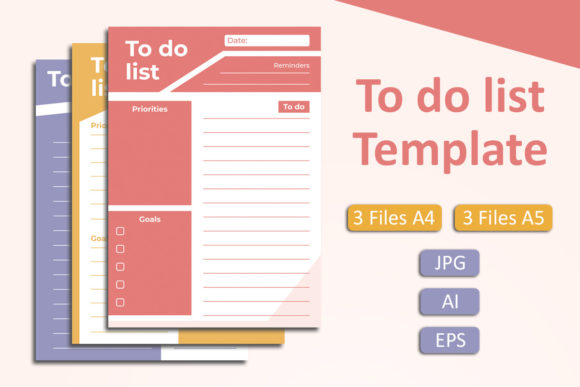
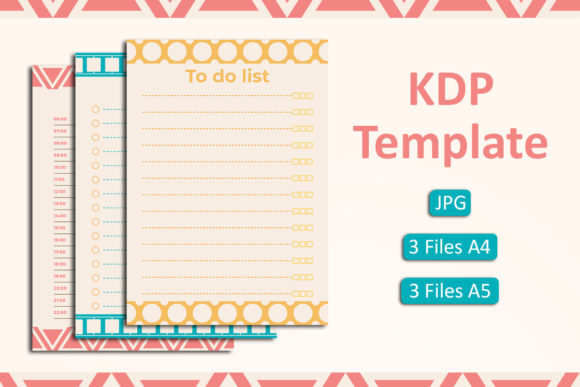
The package includes a total of 10 files, specifically split into 3 A4 files and 3 A5 files. This size variation is strategic. A4 is the standard for academic journals, textbooks, and comprehensive planners, while A5 is the preferred size for portable diaries, travel journals, and pocket-sized notebooks. Having both sizes ready reduces preparation time significantly. Before finalizing your project, always test print a single page. Screen resolution often deceives; lines that look substantial on a monitor may print too faintly on standard KDP paper stock. Verifying line weight and contrast physically ensures the final product meets professional standards.
Strategic Considerations for Commercial Use
When incorporating third-party assets into KDP books, licensing and differentiation are paramount. While these geometry interiors provide a strong foundation, successful publishers add unique value to avoid market saturation. Use the editable AFDesign or EPS files to customize the color palette to match your niche. A construction safety log might utilize high-contrast yellow and black geometry, while a mindfulness journal might benefit from soft sage greens and muted greys. Customization transforms a generic asset into a proprietary commercial font equivalent for interiors.
Consider the audience's specific interaction with the page. A geometry theme for a math student requires different line spacing than one for a fashion designer. Evaluate the project fit by asking whether the grid facilitates the intended activity. Does it leave enough margin for binding? Is the gutter area respected so the geometry doesn't disappear into the spine? These practical considerations separate amateur publications from professional products.
Finally, remember that design trends evolve. While geometry is currently popular for its clean, modern aesthetic, staying relevant requires observing how top sellers adapt these themes. Look at successful logo design and web design trends within your niche for inspiration on how to style your interiors. The goal is to create a cohesive ecosystem where the cover, the interior, and your marketing materials all speak the same visual language. By treating your KDP interior as a core component of your brand strategy rather than an afterthought, you build a sustainable publishing business grounded in quality and user satisfaction.